

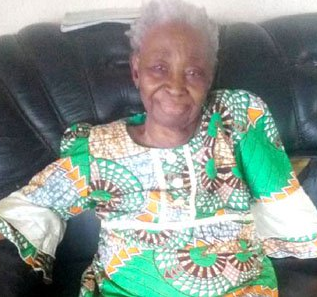
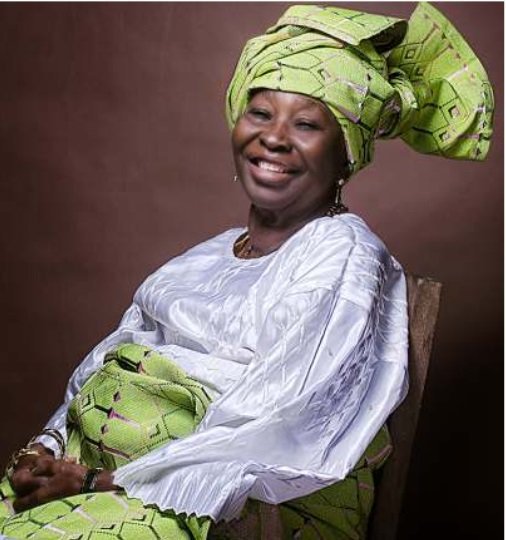
Ashiata Onikoyi is a 93-year-old Nigerian woman who has sickle cell anemia. She is said to be Nigeria’s oldest sickle cell survivor.
Alhaja Ashiata Abike Onikoyi-Laguda will be 94 years old in October 2018, and she still lives a robust life, though she has the highly feared SS genotype.
Alhaja Laguda, as she is popularly called, said during an interview with The Nation that she stopped having sickle cell attacks when she turned 40, though her genotype is still the same.
Here are excerpts from her interview:
On being sickly
“Doctors see me and wonder what a miracle I am.
She recalled that being sickly was tougher at the time she was growing up because nobody knew about sickle cell anemia. She was always sick, to the point that in a whole year, she may attend school only about three months of the entire annual school calendar, while she spent the other months sick and at home. She was given all sorts of concoctions to cure her illness due to the ignorance surrounding the ailment.
“I was taken to the hospital; then they still brought all sorts of concoctions from the Igbo tribe, from the Yoruba people, and from the Hausa part of the country, because it was a very serious sickness. I just took everything that they gave me. They would cut me on every part of my body, but I gave myself to them because I wanted to live.”
When the illness attacked her hands, she recalled that she would not be able to use them for anything—not even to eat. When it attacked her legs, she would not be able to walk, and whenever she was at home, she had to be by the fireside to keep her warm.
On shame and insults
“They called me ‘abiku’ and several other names, but thank God things have changed today. Also, the government is doing everything within its power to enlighten the people about the disease.”
On how her father cared for her
She said her father pampered her because he feared he could lose her at any moment. So he mostly kept her away from school.
She said, “If he didn’t die, I probably wouldn’t have been educated because he said I should be left at home so that they can watch over me every time.
“He insisted that because of my nature, no teacher should beat me. He would say I should be left at home even when I was not having any attacks, but when he died, I had no choice because my mom insisted I go to school. That, in a nutshell, was how it became possible for me to go to school.”
Before she took a fall
Before I fell, I used to walk from my house here in Ilasamaja, Lagos, to Mushin and Oshodi markets as a form of exercise because I believe walking is the best exercise one can engage in. I walked like that until I was 90, when I fell and had to stop.”
Before her fall, Alhaja Laguda used to go to hospitals to talk to people living with sickle cell anemia, lecture them, and encourage them.
On raising sickle cell children
She called on parents with children suffering from sickle cell anemia to take care of the children very well, feed them well, and show them lots of love.
“This will make it easier for them to live with the disease. When it is cold, keep them warm; don’t keep them at home because they are always sick; let them go to school—it is very important,” she said.
On whether she wants to live longer
She said she hopes to leave this earth soon, adding, “I want to go, but God has not killed me, so I have no choice but to live.”
