

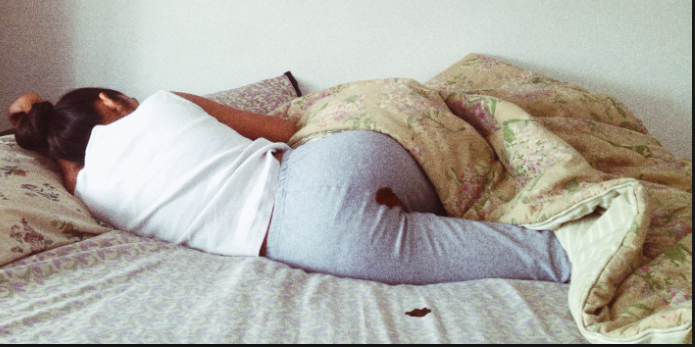
Maintaining good menstrual hygiene is important for your vaginal health and for the prevention of infections.
May 28 is celebrated globally as Menstrual Hygiene Day to raise awareness of the importance of good menstrual hygiene management. It serves as a platform to bring together individuals, organizations, social businesses, and the media to create a united and strong voice for women and girls around the world, helping to break the silence about menstrual hygiene management.
Here are some tips to help maintain good hygiene during your period.
1. Change your pads and tampons regularly
It is advisable to change your pads every 4-6 hours and, if using tampons, every two hours, even if your flow isn’t heavy. This is the first rule for maintaining great menstrual hygiene.
Menstrual blood, when released from the body, attracts various organisms from our bodies, which multiply in the warmth of the blood and cause irritation, rashes, or urinary tract infections.
There are a few instances where your sanitary napkin or tampon might not be completely used—usually on days when you have a lesser flow—but you must change at regular intervals.
ALSO READ: 9 Things You Should Avoid Doing When You Are On Your Period
2. Use good sanitary products
It may take you different trials before you find the brand that works best for you. Women with sensitive skin may avoid sanitary pads with plastic lining, as they can cause rashes, itchiness, and boils when rubbing against the skin.
3. Have your bath regularly
Taking regular baths at least twice a day is required when you are observing your period. In some cultures, it is believed that women should not wash their bodies, shower, or bathe during menstruation. However, having a bath during your period will help clean your private parts as well as relieve your mood.
4. Avoid using soaps or vaginal hygiene products
The vagina has its own cleaning mechanism that works in a very fine balance of good and bad bacteria. Washing it with soap can kill the good bacteria, making way for infections. So, while it is important to wash regularly during this time, all you need to use is some warm water. You can use soap on the external parts, but do not use it inside your vagina or vulva.
5. Use the right washing technique
Always wash or wipe the genitals from front to back. This is important because cleaning in the opposite direction can make way for bacteria from the anus to the vagina and urethral opening, leading to infection.
6. Discard your used sanitary product properly
Discarding your used pads or tampons properly is important because they are capable of spreading infections and causing a bad smell. Wrapping it well before discarding it ensures that the smell and infection are contained. It is advised not to flush the pad or tampon down the toilet since they can clog plumbing, thereby causing the toilet to back up.
More importantly, you must wash your hands well after every change.
7. Avoid tight-fitting clothing
Wear comfortable, loose clothing, rather than jeans or tight-fitting ones, during periods. This will ensure air flow around the sensitive areas as well as prevent sweating to a large extent.
8. Always have your products handy
Because periods may come unexpectedly, it’s always good to be prepared to avoid embarrassment in public. It is important to have sanitary pads or tampons handy in your bag alongside a hand towel, some paper tissues, hand sanitizer, etc.