

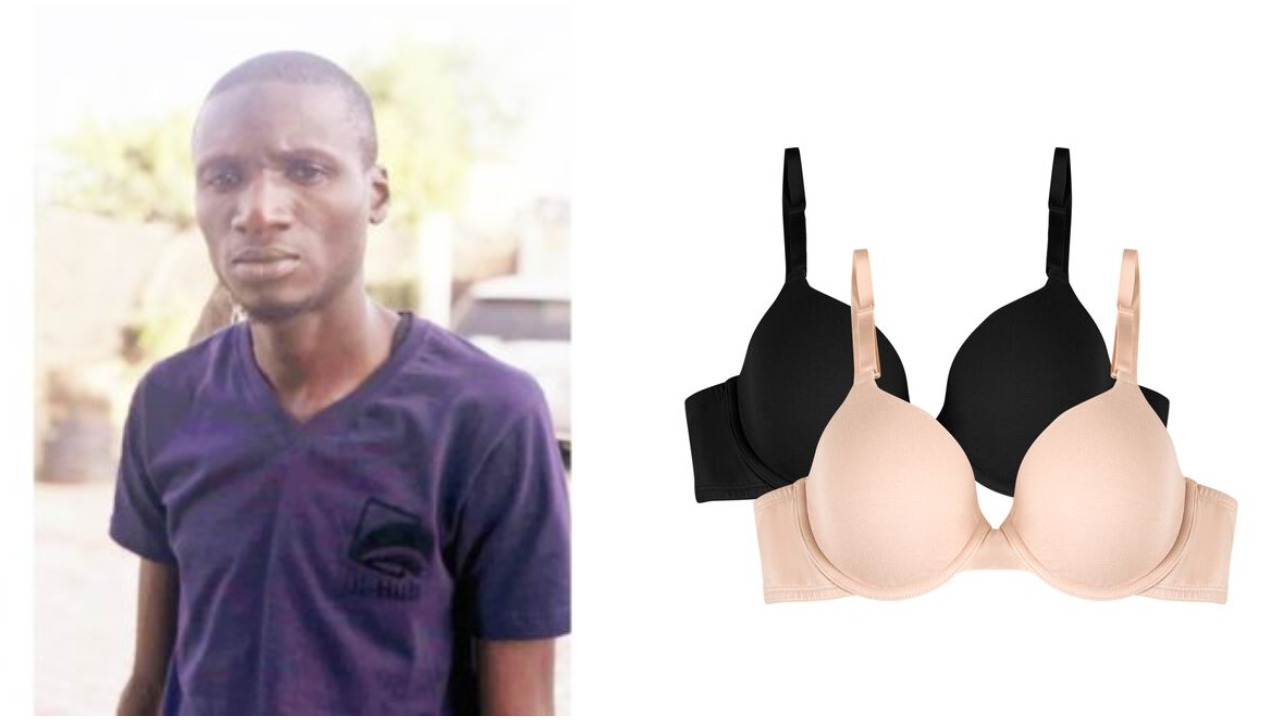

Idris Dangana, a primary school teacher, decided to invent a device to help early detection of breast cancer after the death of a woman close to his heart.
The 43-year-old Kano native decided to quit his job as a teacher and develop his interest in learning computer and software development skills in a bid to also help his community.
News of the death of a woman who died from breast cancer, whose friend, Isah, visited, brought back painful memories for Dangana.
He said:
The worst nightmare was when I was driving and saw a woman under the sun holding a hospital card, begging for money for surgery on one of her breasts, which would cost her over N150,000. She could not wear clothes and used a veil to cover her upper body.”
ALSO READ: The Hidden Cost of Breast Cancer Screening in Nigeria & How It Keeps Many Women At Risk
That spurred Dangana to take his mind off his disappointing experience as a teacher to consider ways of preventing deaths from breast cancer.
Considering the local prevalence of cancer, generally referred to as ‘ciwon daji’ in Hausa, Dangana, a graduate of physics education, felt there was a need for urgent intervention, especially on behalf of rural women.
“For many, they could not afford the cost of screening because there are no screening machines in primary healthcare centers,” he said. “It costs between N3,500 and N6,000 to get scanned in cities.
Surgery costs above N150,000. Not all hospitals are equipped with mammography machines, as they cost about $60,000.”
Dangana’s resolve to find an affordable means to detect cancer led to the idea of BCScan, an innovation of the DiceHub (DIHub), which is behind the cancer-detecting device.
We joined hands and talked about possible partnerships with a local NGO on breast cancer; we deepened our search about this deadly cancer by asking as many women in our network, including healthcare professionals, as possible. The feedback was scary,” he said.
Their solution was a braiser, fitted with artificial intelligence, that could detect tumors that are as small as 2 mm in diameter. The wearable device would guarantee early detection, Dangana said, and is especially targeted at women in rural areas with limited access to health care and the prohibitive cost of mammography.