

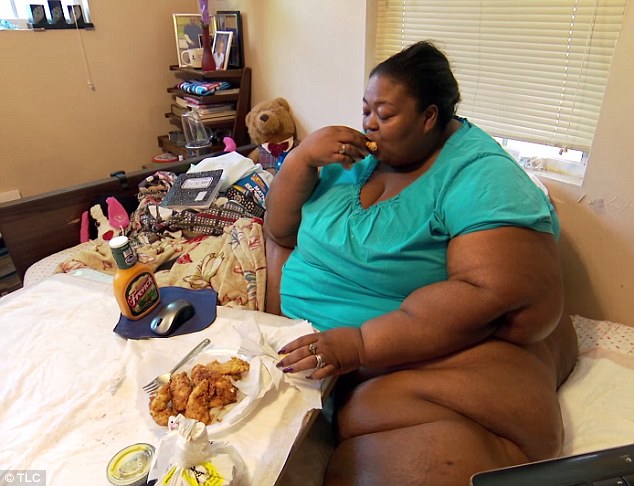
Many women silently fight eating disorders, and because not many know about them, they may not realize the real danger they pose to their health. This is akin to throwing punches in the dark.
These eating disorders range from not wanting to eat at all to an uncontrollable urge to eat to the point of throwing up.
There is a serious misconception that eating disorders are lifestyle choices. As the name implies, it is a disorder that has to do with eating and should be seen as an illness.
Just the same way for all illnesses, information is key; it can make all the difference to whether you survive or not.
Here are 5 important facts you should know about eating disorders in women.
1. Types of eating disorders
These disorders have been separated into 3 categories:
a. Binge eating
This means eating much more than intended within a short time. Often, it goes unnoticed, as it can disguise itself as overeating. If your eating gets out of control, especially when you do it in private, and you feel self-disgust and shame, then you could be a binge eater without knowing it. If this happens to you at least once every week for three months, then you might have to see your doctor.
This may lead to excessive weight gain eventually and, in turn, cause depression in its sufferers.
b. Anorexia nervosa
This was previously a title given to people who refuse to eat food, implying that it is a choice, but new research shows that this kind of eating disorder occurs when you have an inordinate fear of gaining weight. People living with anorexia nervosa have a distorted body image and want to avoid gaining weight at all costs, even to the point of starving themselves.
ALSO READ: 5 Tips Guaranteed To Help You Gain Weight In One Week
c. Bulimia nervosa
When binge eating is followed by efforts to avoid weight gain, such as through self-induced vomiting or use of laxatives, it becomes bulimia nervosa.
2. You should understand that they are not lifestyle choices
From the outside, some eating disorders can look like vanity gone amok. But more than a desire to emulate supermodels is at work. A combination of genetic, psychological, biological, behavioral, and social factors is now known to play a role.
Recent studies reveal, for example, that a gene variation may lead to binge eating in teens; that brain activity is different in those with anorexia; and that having an apple body shape increases susceptibility to binge eating, as does a tendency toward impulsivity.
Added to all this is a potent emotional fuel: a comparison culture that can send body dissatisfaction soaring.
3. Eating disorders often go hand-in-hand with other health issues
If you have an eating disorder, your chances of co-occurring conditions skyrocket. You are more likely to have a mood disorder such as depression or bipolar disorder, for example, and you are at elevated risk of obsessive-compulsive disorder, research shows. Not only that, but alcohol and drug use disorders occur at four times the rate in those with eating disorders than in the general population.
These statistics are troubling because each issue complicates the other. That’s why a treatment that focuses on the whole person, not just the eating disorder in isolation, is crucial for healing.
4. They can kill
Eating disorders in women can kill, just like any other illness, if left unattended. Research has shown that anorexia nervosa kills more people than any other mental illness. Because of the constant starvation, sufferers often go without the necessary nutrition they require for a healthy life.
Bulimia may lead to an electrolyte imbalance, as its sufferers can’t seem to keep any food down. So, if you feel that you might have any of these disorders, don’t keep quiet.
5. Recovery is possible
Just like every other mood-affecting illness, eating disorders can leave you hopeless and depressed, but remember that there is help. Apart from psychotherapy, which will help you adjust your distorted views about your body and food over time, there are medications now available that will help regulate moods and any other co-occurring health concerns.