

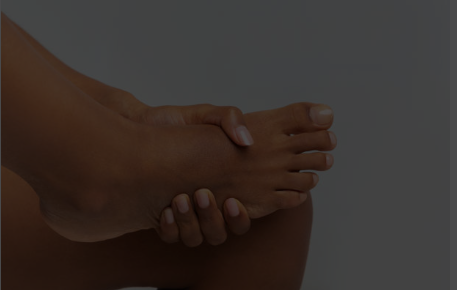
A Nigerian singer and vocalist, Ifunanya Nwangene, who goes by the stage name Nanyah Music, died on January 31st, 2026, due to complications arising from a snake bite at her Abuja home.
According to sources, Nanyah reportedly made frantic efforts to save her life after the incident, rushing herself to two different hospitals for urgent medical attention. However, she was said to have been turned away or left untreated due to the unavailability of antivenom at the facilities she visited, leading to her death.
Recall that in 2021, Lance Corporal Bercy Ogah, attached to the Defence Intelligence Agency (DIA), also passed away after suffering a snake bite while using a toilet.
Snake bites are a serious but often overlooked health issue, especially in parts of Africa like Nigeria, where encounters can happen unexpectedly, e.g., inside homes, on farms, during early morning routines, or while returning home at night.
For women, the risks are often heightened by daily responsibilities that place them in vulnerable environments, such as cleaning outdoor spaces, fetching water, caring for children, or living alone without immediate access to help.
Without prompt treatment, especially in the above-mentioned cases, snake bites can lead to severe complications, including infection, tissue damage, internal bleeding, paralysis, organ failure, pregnancy-related risks, and, in extreme cases, death. Women living alone, pregnant women, and those in rural or underserved communities face additional risks due to delayed access to emergency care and antivenom.
There are two main types of snake bites: venomous and non-venomous. Venomous bites release toxins that can affect the blood, nerves, muscles, and vital organs, while non-venomous bites may still cause pain, swelling, and infection. Sometimes, a venomous snake can also bite without injecting venom. This is called a dry bite. Because it is often difficult to identify the type of snake involved, every snakebite should be treated as a medical emergency, no matter how minor it initially appears.
Symptoms of a snake bite vary depending on the type of snake and can range from immediate pain, swelling, fang marks, and bleeding at the bite site to nausea, vomiting, dizziness, blurred vision, numbness, weakness, difficulty breathing, paralysis, metallic taste in the mouth, and increased salivation and sweating.
In some cases, symptoms may develop slowly and worsen hours later. This delay can be particularly dangerous for women who may downplay pain, prioritize others first, or hesitate to seek urgent care.
Snake Bite First Aid: Do’s and Don’ts at Home
The first few minutes matter following a snakebite. Therefore, knowing what to do and what to avoid can reduce complications and save lives before help comes.
DO’S
- Stay calm and act quickly
Panic increases heart rate and helps venom spread faster. Take slow breaths and focus on getting help. - Keep the person still and rested
Limit movement as much as possible. The bitten limb should be kept at heart level or slightly lower to slow venom circulation. - Remove tight items and jewelry immediately
Rings, bracelets, anklets, shoes, watches, or tight clothing near the bite should be removed before swelling begins. - Clean the bite gently if possible
Use clean water and mild soap to reduce the risk of infection. Keep the area clean. - Cover the wound lightly
Use a clean cloth or a loose bandage. It should not restrict blood flow. - Get to a hospital immediately
A snake bite is a medical emergency. Seek professional care as quickly as possible and clearly state that it is a suspected snake bite. - Observe symptoms
Note swelling, increasing pain, bleeding, dizziness, vomiting, breathing difficulty, or numbness and report them to medical staff.
DON’TS
- Do not cut the wound or attempt to suck out the venom
These methods are ineffective and can cause serious infections and tissue damage. - Do not apply a tourniquet or tie the limb tightly.
This can cut off blood flow, worsen tissue damage, and increase the risk of limb loss. - Do not apply ice, heat, or electric shocks.
These popular myths do not neutralize venom and can worsen injury. - Do not use herbs, oils, alcohol, or traditional mixtures.
They delay proper treatment and often make complications more severe. - Do not give alcohol, caffeine, or painkillers unless prescribed.
These substances can worsen bleeding or interfere with medical treatment. - Do not try to catch or kill the snake.
This puts others at risk and delays life-saving care. - Do not wait for symptoms to worsen before seeking help.
Some snake bites appear mild at first but become severe hours later. However, do not drive yourself if you are bitten by a snake. Driving oneself to the hospital is not advised because people with snakebites can become dizzy or pass out.