

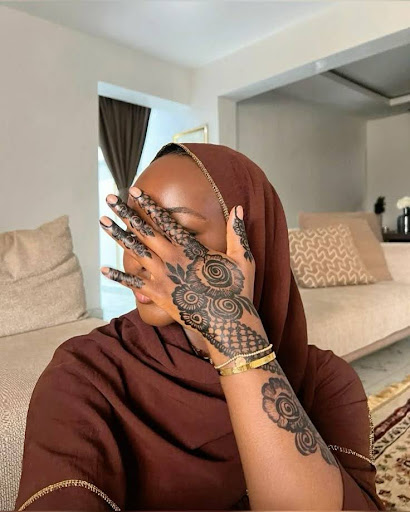
Getting a henna tattoo has become increasingly popular among women looking for a beautiful, temporary alternative to permanent body art. From intricate bridal designs to trendy festival patterns, henna tattoos offer a unique way to express creativity and celebrate cultural traditions.
But before you sit down for your first henna session, there are a few important things you should know. Understanding how henna works, how long it lasts, and the potential risks involved can help you make an informed decision.
What is henna?
Henna is a plant-based dye made from the leaves of the Lawsonia inermis tree. It is usually ground into powder, formed into a paste, and applied to the skin to create body art, which is known as a henna tattoo.
As it dries and is removed, it leaves behind a reddish-brown stain that gradually fades over time.
Unlike traditional tattoos, henna does not penetrate the skin with needles, making it a painless and non-permanent option for body decoration.
Henna types
While there are various types of henna, these two are the most common types.
1. Natural Henna
1. Henna tattoos are temporary
One of the biggest advantages of henna tattoos is that they are not permanent. Depending on your skin type, aftercare, and the quality of the henna used, the stain can last anywhere from 1-3 weeks.
Areas that experience frequent washing or friction, such as the hands, may fade faster than other parts of the body.
2. Natural henna is usually brown or reddish-brown
Many first-time users expect henna tattoos to be jet black, but authentic natural henna typically develops into shades of orange, brown, or reddish-brown.
If a henna artist offers a product that produces an instant black stain, it may contain additional chemicals that could irritate the skin. Always ask about the ingredients being used before application.
3. Henna tattoos have deep cultural significance
Henna, also known as mehndi in South Asia, has been used for thousands of years in various cultures across Africa, the Middle East, and South Asia. It is commonly associated with weddings, festivals, religious celebrations, and rites of passage.
In many traditions, henna symbolizes joy, beauty, prosperity, and good fortune. Bridal henna, also known as mehndi, remains an important part of wedding ceremonies in several cultures.
4. Aftercare is important
The longevity of a henna tattoo largely depends on how well you care for it after application.
To help your henna stain last longer:
- Leave the paste on for as long as possible.
- Avoid washing the area immediately after removing the paste.
- Keep the design away from excessive water exposure.
- Apply natural oils to help preserve the stain.
- Avoid exfoliating the tattooed area.
5. Not all henna products are safe
While natural henna is generally considered safe for most people, some products marketed as “black henna” may contain chemicals such as para-phenylenediamine (PPD), which can cause allergic reactions, skin irritation, blistering, or permanent scarring.
Before getting a henna tattoo, ask the artist about the ingredients and avoid products that seem suspicious or have an unusually strong chemical smell.