

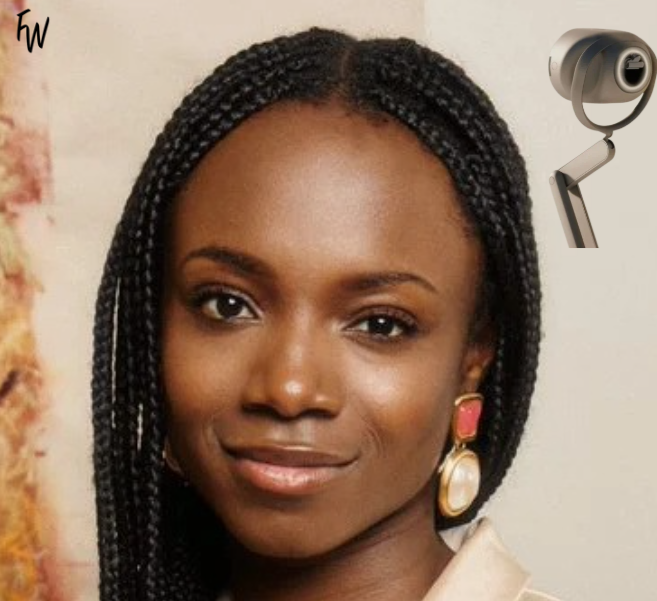
The beauty industry is getting an innovation that has probably long been overdue through HaloBraid, made by Nigerian biomechanical engineer and Harvard graduate Yinka Ogunbiyi.
HaloBraid is a robotic braiding assistant designed to help professional hairstylists work faster while reducing the physical strain that comes with hours of braiding.
As it continues to create a buzz, here are some interesting things to know about this innovation.
1. The idea was born through an experience during COVID-19
During the COVID-19 pandemic, the 27-year-old attempted to install knotless braids on herself, which took her four days to do. The experience made her think about the amount of time and physical effort involved in a process that millions of people regularly undertake.
With her engineering background, Ogunbiyi began looking at hair braiding as a problem that could potentially be solved through technology, teaming up with co-founder David Afolabi to develop HaloBraid.
2. The startup has raised $7 million
To help commercialize its technology and move towards a wider product rollout, HaloBraid has secured $7 million in seed funding.
The funding round was led by Seven Seven Six, the venture capital firm founded by Alexis Ohanian, Reddit co-founder and husband of Serena Williams, with AlleyCorp and Bling Capital also participating.

3. HaloBraid is designed to assist hairstylists
HaloBraid is not designed to take over the entire job of a professional hairstylist or braider but works more like an assistant.
The concept is to have a stylist begin the braiding process before the robotic assistant takes over the repetitive part of the work. The stylist remains responsible for the creative and personalized aspects of the service, including finishing, trimming, and sealing the braids.
Under the process, the stylist first parts and sections the client’s hair before creating the foundation of the braid. HaloBraid then takes over the repetitive weaving motion, reducing appointment times by about half.
Also READ: Nigerian Lady Develops Android App To Help Report Rape Cases
4. More than 7,000 salons are reportedly waiting for it
HaloBraid appears to have generated significant interest even before its commercial launch.
According to reports, more than 7,000 professional salons are already on the waiting list for the technology. That level of interest highlights the potential demand for solutions that can reduce the time required for lengthy braiding appointments.
5. HaloBraid could be a major moment for beauty technology
For generations, braiding has been an important part of African and Black cultural traditions for generations, yet the actual process has remained largely manual.
HaloBraid is attempting to introduce automation into that process, and this could just be the game-changer the hair industry needs, as its success could potentially open the door to more innovations designed specifically around the needs of Black hair professionals and consumers.