

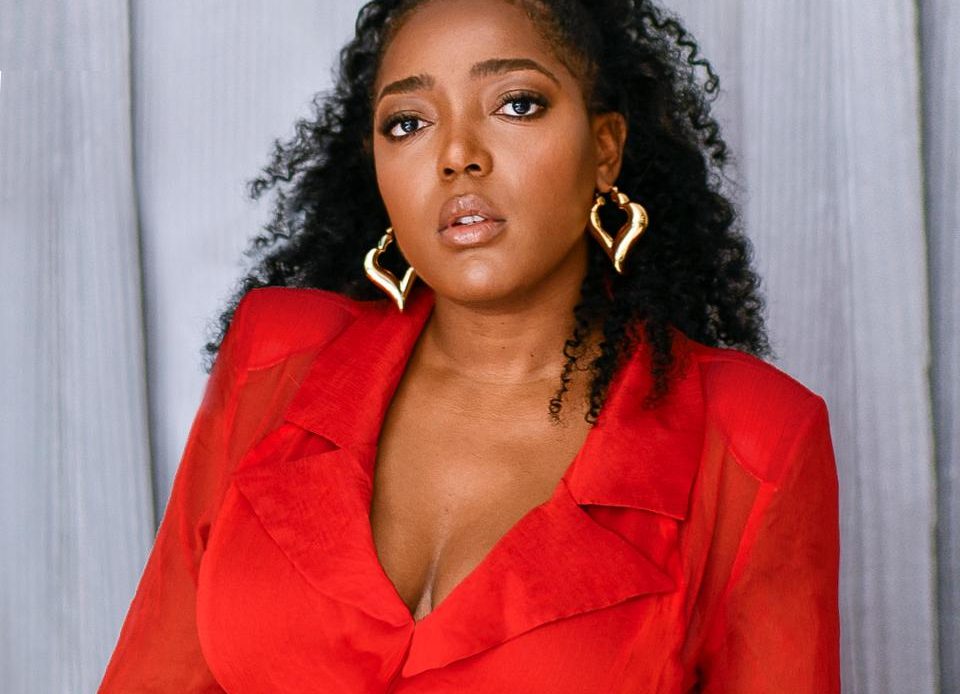
In 2011, Anifa Mvuemba posted a photo of a dress she’d made from fabric scraps. She probably wasn’t expecting the outcome when people responded. A year later, in 2012, she officially launched Hanifa, a ready-to-wear womenswear brand named in her own honor, designed from the ground up to celebrate the curves, power, and beauty of women of all sizes.
She built the entire thing herself: taught herself Photoshop, designed her own website, took her own photos, and packed her own orders. She learned to sew by watching YouTube videos and studying the hands of her aunt, a seamstress. No fashion degree. No industry connections. No external funding. Anifa Mvuemba, a young woman born in Nairobi to Congolese parents who had fled war, had an Instagram account and a message to share.
But the road was anything but linear. By 2015, the weight of running an independent brand with no infrastructure and no industry support became too heavy. She quietly stepped away, pausing Hanifa for the first time. Few people noticed. Fewer said anything. She went back to work, continued sewing every single order by hand until March 2018, and began rebuilding. That first hiatus, it turns out, was practice.
The Rise
Fashion has always rewarded proximity to New York, to the right agents, to the right rooms. Mvuemba had none of that. She was based in Washington, D.C., operating almost entirely online, catering to a customer that legacy fashion had long ignored. And yet, Hanifa grew.
Here is a timeline of the brand’s major milestones.
2019
Teen Vogue selects Mvuemba for its inaugural “Generation Next” initiative, a mentorship programme connecting emerging designers with industry insiders. The industry begins to pay attention.
2020
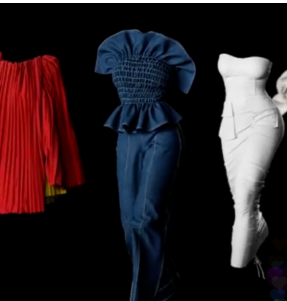
In the middle of a global pandemic, Mvuemba presented the “Pink Label Congo” collection, a tribute to her Congolese heritage, as a 3D digital show on Instagram Live in May 2020. Clothes float down a runway on headless, curvy animated figures. The show goes viral, gaining the brand over 350,000 new followers overnight. Beyoncé adds Hanifa to her directory of Black-owned brands. Zendaya wears the label on the cover of InStyle. Nothing is the same after this.
2021
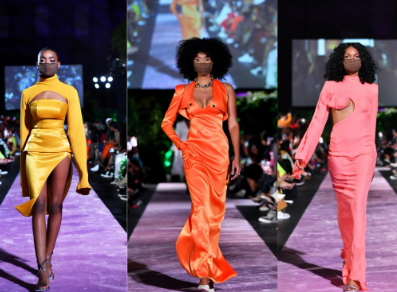
Ten years in, Mvuemba debuted Hanifa’s first-ever in-person runway show at the National Portrait Gallery in Washington, D.C., on her birthday, Nov. 16. The brand won the CFDA/Vogue Fashion Fund and InStyle’s Future of Fashion Award. Hollywood comes calling: Tracee Ellis Ross, Issa Rae, Gabrielle Union, and Michelle Obama are among the fans.
2022
Two Hanifa designs are included in “Those Who Dress Better,” a fashion exhibit curated in collaboration with the estate of Jean-Michel Basquiat. When fast-fashion brand Fashion Nova copies one of her designs, Mvuemba goes public and wins. The knockoff is removed.
2023
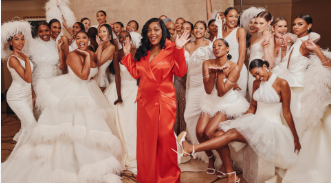
Hanifa debuts its first bridal collection in Middleburg, Virginia, in October 2023. The brand now dresses everyone from Cardi B and Lizzo to Sarah Jessica Parker and Iman.
2025
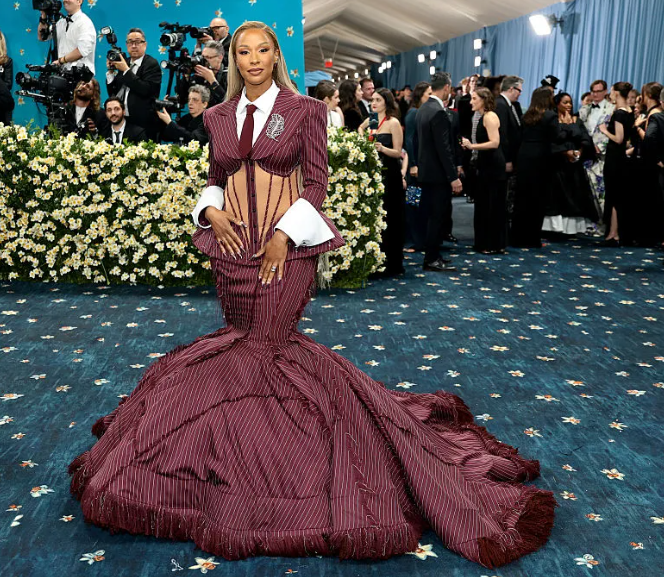
Mvuemba designs Savannah James’ look for the Met Gala in May. Then in November, Hanifa hosted its “Hanifa Friday” sale—the biggest in brand history, crossing an order volume milestone the team had ever seen before with garments up to 45 percent off. The infrastructure cracks under the weight of the unprecedented demand generated by the sale, which was composed mainly of pre-order items.
When Hanifa crossed its biggest-ever sales milestone with the “Hanifa Friday” sale, it should have been a triumph. What began as shipping complaints quickly widened online into broader criticism about fabrics, sizing, and the brand’s relationship with influencers. The criticism was loud, personal, and relentless. Mvuemba stepped forward publicly, acknowledged the missteps, and confirmed every order from the sale had since been fulfilled. And underneath all of it, she had just given birth to her second child in December. And instead of maternity leave, she walked straight from the delivery room into crisis management. “There were nights where I was sobbing in one room and then wiping my face to go be the best mom I could be for my children in the next room,” she wrote. “I just had a baby. I didn’t fully process any of it because I went straight from postpartum into crisis management.”
The Decision
On Monday, March 3, 2026, Hanifa sent an email to its customers. The brand would be pausing. No new restocks for the foreseeable future. The website would stay live, existing orders would be fulfilled, and customer service would remain open.
This pause, she made clear, comes from clarity, not defeat.
“There’s also so much gratitude in knowing we’re still here. What we just navigated could have ended things. It didn’t. And that means something. Right now, I’m reflecting. I’m protecting what matters to me in this season. And I’m allowing myself to be human in the process. I don’t know exactly what the future of Hanifa looks like at this very moment. And for the first time in 14 years, I’m okay with saying that out loud.”