

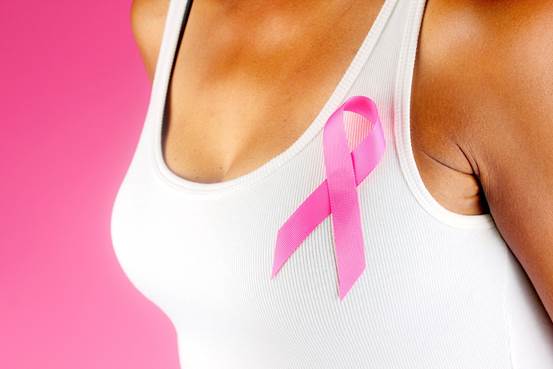

A breast self-exam (BSE) is a method you can use to examine your breasts. It is best done a few days after menstruation ends or on a set date for post-menopausal women and involves visual inspection in a mirror and palpation (feeling) while lying down or showering to check for lumps, skin changes, or nipple discharge.
As a woman, a breast self-exam is one of the best things you can do for your health, as this can help you detect a lump or breast cancer on time.
October is Breast Cancer Awareness Month, an annual campaign to raise awareness about the impact of breast cancer.
Here is a step-by-step guide on how to do a breast self-exam if you have lumps in your breast.

1. Stand In Front Of A Big Mirror
Stand naked in front of a mirror and take a serious look at your breasts while your arms are resting on your sides. Look at the position of the breasts and the skin, and confirm if they are not equal in size and shape; then it’s normal.
2. Touch Your Nipples
Check your nipples for sores, peeling, or a change in size and direction. Rub your nipples against your breasts and check for redness or blood clots.
READ >> These Tips Will Tell You Everything You Should Know About Breast Cancer
3. Press Down Firmly
While standing in front of the mirror, place your hand around your waist, then press your breast firmly to tighten the chest muscles. Let your breast fall forward and look for any changes in shape or contour.
4. Bend Toward The Mirror
Bend toward the mirror and roll your shoulders and elbows forward to tighten the chest muscles. Clasp your hands behind your head and press your hands forward. Turn from side to side to inspect your breasts’ outer parts, look at the border underneath using your hands to raise them up, and also check your cleavage.
5. Check Your Nipple For Discharge
To check your nipples for discharge, you need to place your thumb and forefinger on the tissue around your nipple and pull outward and toward the end of the nipple. Repeat these steps for some minutes.
Do regular breast examinations yourself; although the changes might not be cancerous, it’s better to stay safe.
