


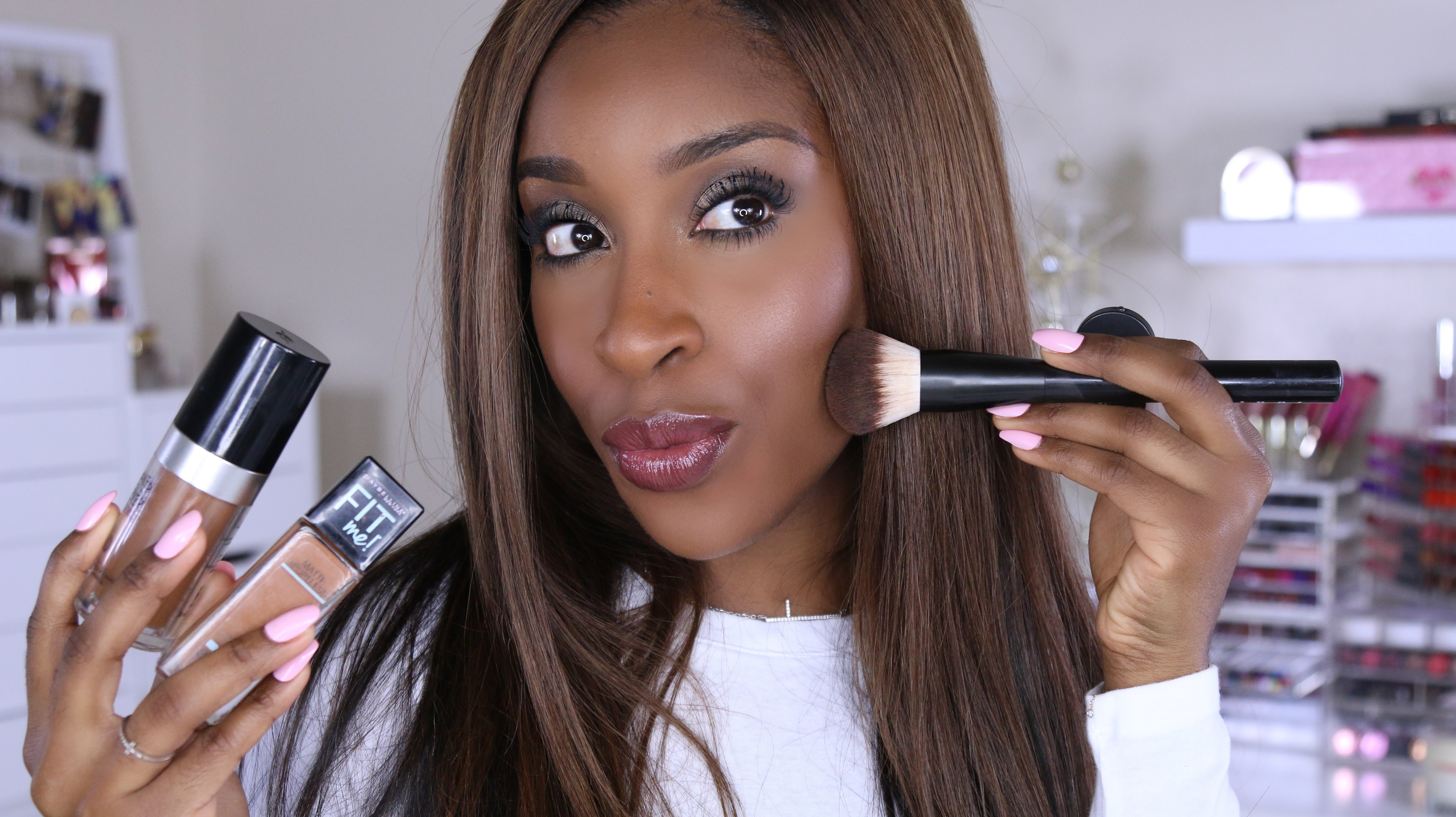
Do you know that the skincare and makeup products you use contain toxic ingredients, which you should avoid?
The government hardly ever regulates cosmetic companies, and for this reason, there is no pre-product approval before a product hits the market and enters your home. A minuscule approval process exists, but only for color additives and ingredients classified as over-the-counter drugs.
Many of these synthetic chemicals are skin irritants, skin penetrators, endocrine disruptors, and carcinogens. There are so many ingredients that are harmful, but here are seven that you should be on the lookout for.
1. Sodium lauryl sulfate (SLS)
They can be found in shampoo, body wash, foundation, face wash, mouthwash, and toothpaste.
SLS has been shown to cause or contribute to skin irritation, canker sores, disruptions of the skin’s natural oil balance, and eye damage. It is also widely believed to be a major contributor to acne (especially cystic acne) around the mouth and chin.
2. Parabens
This can be found in makeup, moisturizer, shaving gel, shampoo, personal lubricant, and spray tan products.
Several studies have linked parabens, which mimic estrogen, to breast cancer, skin cancer, and decreased sperm count but have not ruled out that they are harmful.
According to the European Commission’s Scientific Committee on Consumer Products, longer-chain parabens like propyl and butylparaben and their branched counterparts, isopropyl and isobutylparabens, may disrupt the endocrine system and cause reproductive and developmental disorders.
Always look out for ingredients with the suffix “-paraben” as well—paraben-free products will be labeled as such.
3. Hydroquinone
Found in: skin lighteners
This skin-bleaching chemical can cause a skin disease called ochronosis, with “disfiguring and irreversible” blue-black lesions on the exposed skin. Illegally imported skin lighteners can contain mercury, which can poison adults and children and is especially toxic during pregnancy.
Be wary of imported skin lighteners, don’t buy products without ingredients clearly labeled, and always avoid products with “mercury,” “calomel,” “mercurio,” or “mercurio chloride.”
4. Fragrance
Found in many products, such as perfume, cologne, conditioner, shampoo, body wash, and moisturizers.
This particular category is pretty scary, because what does “fragrance” mean anyway? This term was created to protect a company’s “secret formula.” But as the consumer, you could be putting on a concoction that contains tons of chemicals that are hazardous to your health.
Fragrance mixes have usually been associated with allergies, dermatitis, respiratory distress, and potential effects on the reproductive system
READ – 7 Beauty Essentials Every Lady Should Have
5. Formaldehyde
It can be found in nail polish, body washes, conditioners, shampoos, cleansers, eyeshadows, and nail polish treatments.
Formaldehyde and formaldehyde-releasing preservatives (FRPs) are used in many cosmetic products to help prevent bacterial growth.
This chemical was deemed a human carcinogen by the International Agency for Research on Carcinogens (IARC) and has been linked to occupationally related cancers: nasal and nasopharyngeal. It is known to cause allergic skin reactions, and it may also be harmful to the immune system.
6. Petroleum jelly and mineral oil
Found in: Skincare, body care, lip balm, and makeup.
Petroleum jelly and mineral oil are commonly used as emollients and lubricants. But these ingredients are often contaminated with impurities linked to cancer, carcinogenic ingredients, and can cause skin irritation and acne.
7. Phthalates
A group of chemicals used in hundreds of products to increase the flexibility and softness of plastics. The main phthalates in cosmetics and personal care products are dibutyl phthalate in nail polish, diethyl phthalate in perfumes and lotions, and dimethyl phthalate in hair spray.
They are known to be endocrine disruptors and have been linked to increased risk of breast cancer, early breast development in girls, and reproductive birth defects in males and females.
Unfortunately, it is not disclosed on every product, as it’s added to fragrances, a major loophole in the law. They can be found in deodorants, perfumes/colognes, hair sprays, and moisturizers.
Educate yourself and do your research before you buy any products. Also, look out for healthier alternatives or make time to do it yourself.
