

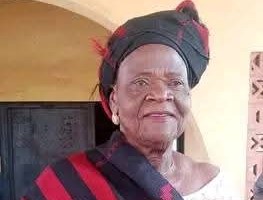
The phrase “mammy market” was recently added to the Oxford English Dictionary (OED) in a January 2025 update, highlighting the influence of Nigerian English, Pidgin, and street slang on global vocabulary.
According to the Oxford English Dictionary, the term “mammy market” was recognized as “a market typically run by women, originally found in military barracks but later also in youth service camps and educational institutions.”
From smoky roadside meals to late-night gist spots in barracks and NYSC camps, mammy market carries nostalgia for many Nigerians. Now, the term has received global recognition with its inclusion in the Oxford English Dictionary.
Here’s everything you should know about how it all began.
1. The Concept Started in 1959
The first mammy market began in 1959 within a Nigerian military barracks. What started as a simple entrepreneurial idea eventually spread across barracks nationwide and into NYSC camps.
2. The Pioneer Was Mammy Maria Ochefu
Mammy Maria Ochefu was the pioneer and is the originator of the concept behind Mammy Market. Ochefu was married to Anthony Aboki Ochefu, a young non-commissioned military officer who had just been posted to Enugu.
Ochefu, a new resident at the barracks in Abakpa, Enugu, sought to earn extra income and beat idleness. Her venture began with the sale of soft drinks, including the popular millet-based beverage known as ‘kunu’ in Hausa, to soldiers and families in the barracks.
3. It Faced Opposition Due To Hygiene
At first, her business faced pushback due to hygiene concerns, but the barracks community supported her.
The Regiment Sergeant Major (RSM) cited concerns about flies attracted by the open-air sales and ordered Mammy Ode to stop making and selling kunu. Ochefu and her husband hesitated to challenge the RSM’s authority.
However, soldiers and families valued her products so much that they rallied around her during this period, emphasizing the impact her business had on the community.
Eventually, the RSM yielded to the pressure, allowing her a designated space to sell within the barracks, which effectively birthed the mammy market.
4. Mammy Markets Empowered Women Economically
What started as one woman selling drinks quickly evolved into a structured market because the community needed it.
Mammy markets created economic opportunities for women in the barracks, especially military wives, allowing them to earn income, build small businesses, and support their families.
5. Her Death
Maria Ochefu passed away in her sleep on Tuesday, March 18, 2025, in Makurdi, Benue State, at the age of 86.
Today, mammy markets exist not just in military barracks but also in NYSC orientation camps, schools, and institutional communities across Nigeria. What started as a simple entrepreneurial idea eventually became a nationwide market system and business model.
Its journey from a Nigerian barracks to a global dictionary is a reminder that our local stories matter and deserve to be documented.