


In the years that led to Nigeria’s independence from Britain in 1960, there were women whose contributions not only defined how Nigerians stood up to the colonialists then but also led to active political and socio-economic movements that culminated in Nigeria’s independence.
But more often than not, when the likes of Anthony Enahoro, Nnamdi Azikiwe, and Remi Fani-Kayode are mentioned, names of women like Funmilayo Ransome-Kuti, Hajia Gambo Sawaba, and Margaret Ekpo are conveniently left out.
As Nigeria celebrates its 60th anniversary, we look at three of these women.
1. Funmilayo Ransome-Kuti
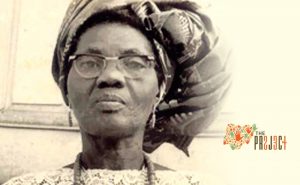
Born on October 25, 1900, Funmilayo Ransome-Kuti earned herself the nickname “Lioness of Lisabi” for her successful campaign against arbitrary taxes levied on Egba women.
A teacher by profession and political campaigner and women’s rights activist by conviction, Ransome-Kuti, in 1949, led a protest against the Alake of Egbaland, who was collecting taxes on behalf of the United Kingdom government. The protest forced Oba Ademola II to relinquish his crown. She also led a successful campaign against separate taxes for women.
Through the Federation of Nigerian Women Societies, which she founded in 1953, Ransome-Kuti continued to champion women’s rights in the years leading to Nigeria’s independence. She was one of the first Nigerian women to form political parties and was one of the delegates who negotiated Nigeria’s independence from Britain.
She was killed in 1978 when ‘unknown soldiers’ attacked her son, Fela Anikulapo-Kuti’s, Kalakuta Republic residence.
2. Hajia Gambo Sawaba
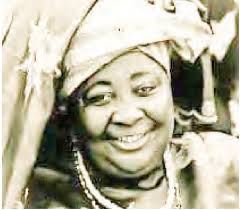
Born Hajaratu Amarteifo to a Ghanaian father and Nupe mother on February 15, 1933, in present-day Niger State, Sawaba was the fifth child of her parents. Being orphaned at a young age forced her to drop out of school, and by the time she was 13 years old, she was already married off to a World War II veteran, Abubakar Bello.
At age 17, Hajia Sawaba had already become politically active and used her membership of the Northern Elements Progressive Union (NEPU) to campaign against underage marriages and forced labour and also advocated for Western education.
With mentorship provided by Funmilayo Ransome-Kuti, Sawaba became a driving force for northern women’s liberation and was a guest of security agencies for her views, which raged against the prevailing values of northern Nigeria in those days.
Hajia Sawaba died in October 2001.
ALSO READ: 19 Women Who Have Shaped Nigeria’s History Over The Years
3. Margaret Ekpo
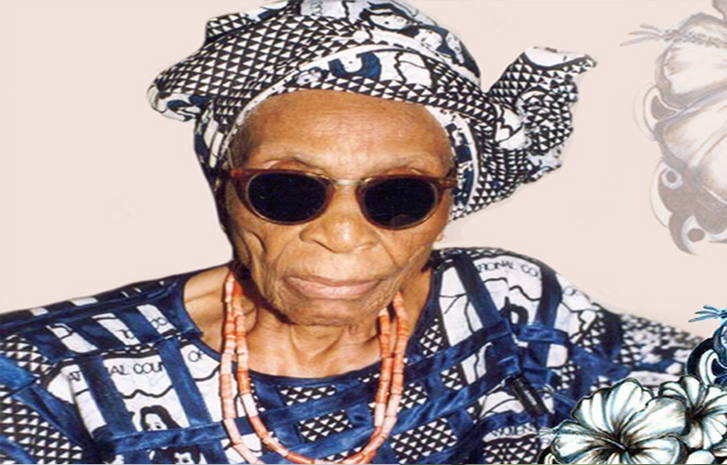
Born July 27, 1914, in Creek Town in the present-day Cross River State, Ekpo’s education was temporarily halted after her father, Okoroafor Obiasulor, died in 1934.
Her journey into politics was fortuitous. Her medical doctor husband was working for the government and could not attend political meetings. Ekpo attended those meetings on his behalf, and her interest in politics grew. She later formed the Aba Township Women’s Association in 1954, a year after the NCNC nominated her to the regional House of Chiefs.
Ekpo also worked with Ransome-Kuti to protest the killings of the leaders of a local group that protested against the practices of the colonial owners at an Enugu coal mine in the early 1950s. She was elected to the Eastern Region Parliament between 1961 and 1965.
Credit: Guardian Nigeria