

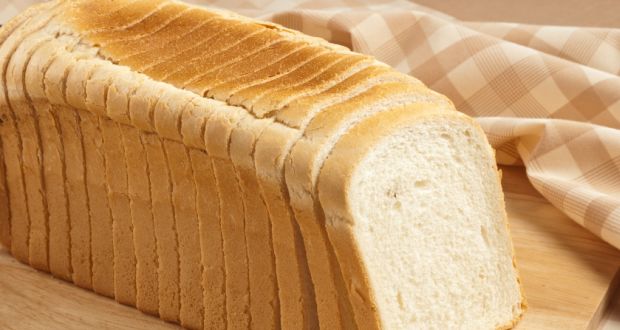
A recent controversy involving Bon Bread has sparked widespread online conversation after a shop owner on TikTok posted a video showing a loaf of bread that has lasted over two months and still felt very fresh without any signs of spoilage or mold.
Although no brand was explicitly mentioned, social media users linked the claim to Bon Bread based on similarities in packaging, and the video quickly went viral, igniting a nationwide debate about food preservation and safety standards in Nigeria’s food industry.
Some days after, the shop owner, Love Dooshimaa, was served with a ₦50 million defamation lawsuit by Bon Bread. In response to the backlash, Bon Bread’s CEO released a statement on social media addressing the situation, in which she stated that the company adheres strictly to standards recommended by NAFDAC, SON, and other regulatory bodies. She also revealed that Bon Bread is one of the few bakeries in Nigeria that sells bread based on order only.
But beyond the online debate, this situation highlights an important question many people don’t often think about: How long should bread really last?
How Long Should Bread Actually Last?
Under normal conditions, here’s what to expect from a standard loaf:
- Homemade bread: 2–4 days at room temperature
- Store-bought sliced bread (no preservatives): 3–5 days
- Commercial bread with standard preservatives: 7–14 days
- Bread stored in the fridge: Up to 2–3 weeks (though texture changes)
Why Some Bread Lasts Longer Than Expected
If your bread seems to last longer than usual, it doesn’t automatically mean something is wrong. Several factors can delay spoilage:
1. Preservatives
Many packaged breads contain approved preservatives, calcium propionate, sorbic acid, and potassium sorbate that slow mold growth. They are legally permitted and regulated by NAFDAC and are generally considered safe when used within regulated limits.
2. Low Moisture Content
Drier bread tends to resist mold. Instead of spoiling quickly, it may simply become hard or stale.
3. Storage Conditions
Keeping bread in airtight packaging, a cool environment, or the fridge can significantly extend its shelf life.
4. Processing and Packaging
Modern baking and packaging techniques are designed to increase shelf life and reduce food waste.
ALSO READ: 5 Delicious Recipes You Can Make From Leftover Bread
Signs Your Bread Has Gone Bad
Even if mold isn’t obvious, here are signs you shouldn’t ignore:
- A sour or unusual smell
- Strange taste
- Excessive dryness or hardness
- Sticky or unusual texture
If anything feels off, it’s safer to throw it away.
When Should You Be Concerned?
While a longer shelf life can be normal, there are situations where you should pay closer attention:
- Bread lasts weeks without any visible change
- It has an unusual chemical smell or taste
- There is no clear expiry date or labeling
- Storage conditions don’t explain the longevity
These could be signs to question the product or how it has been handled.
What Should You Do As a Consumer?
Here’s how to protect yourself when buying bread in Nigeria:
- Check the production and expiry dates every time.
- Buy from NAFDAC-registered brands and look for the NAFDAC number on the packaging
- Observe your bread at home. If it’s still soft and mould-free after two weeks at room temperature, ask questions
- Read the ingredients list. A long list of chemical-sounding additives is a red flag
- Report suspicious products to NAFDAC via their consumer complaint channels
In conclusion, this controversy has sparked a nationwide debate and conversation surrounding food production and its health complications.