

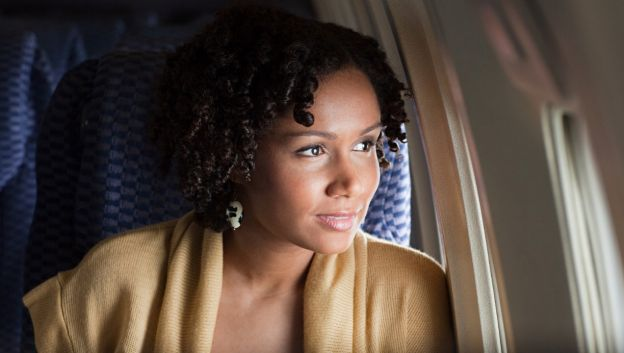
While travelling alone is beautiful and empowering as a woman, you are not above falling victim to any of the numerous risks and potential threats that come with travelling by yourself to an unfamiliar location: from robbery to kidnapping, rape, assaults, attacks, and various other violent crimes.
While the travel industry is adjusting to accommodate women travelers, you are still more vulnerable than men, especially when traveling by yourself.
Luckily, there are certain measures that women can take to ensure that they are protected and safe when travelling alone:
1. Research your destination thoroughly
Before you book your trip, take time to understand your destination by doing proper research. Look into local customs, cultural norms, and areas to avoid, especially at night. Knowing what to expect helps you blend in and avoid risky situations.
Check travel advisories, read blogs from other female travelers, and join online communities where women share their experiences.
ALSO READ: Travelling Abroad For The First Time With Your Partner? Here Are 5 Tips You Should Know
2. Choose a safe accommodation
Opt for accommodations with strong security features such as 24-hour reception, good reviews, and secure locks. Hotels, hostels, or Airbnb listings with verified ratings are usually safer choices.
If possible, avoid ground-floor rooms and always lock your doors and windows securely.
3. Dress appropriately
The last thing you want to do is draw unnecessary attention to yourself when you are travelling alone. You don’t want to give off the impression that you are a super-rich tourist with a lot of money to spend; you also do not want to dress lavishly or elaborately enough to attract attention.
Respect local customs and dress codes to avoid unwanted attention. In some cultures, modest dressing is not just respectful but also safer. Blending in with locals can help you stay less noticeable.
4. Use reliable transportation
Always use trusted transportation options such as registered taxis or ride-hailing apps. Take every possible precautionary measure before even entering a vehicle. Avoid accepting rides from strangers.
If you’re using public transport, keep an eye on your belongings and avoid staying out late at night when possible.
5. Be careful with your valuables
You are bound to travel with valuables, including money, jewelry, phones, credit cards, your passport, etc. And to keep them safe, it helps to keep them in separate places so that if you are robbed, you won’t be totally helpless.
Avoid carrying a lot of cash with you. Also, ensure your daily spending cash is accessible so that you do not have to pull a wad of bills out of your purse to buy a simple lollipop from a kiosk.
Also carry only copies of your essential documents and keep originals locked in your hotel safe.
6. Avoid sharing too much information
Be cautious about what you share with strangers or new friends. Avoid revealing that you are traveling alone or giving out details about your accommodation.
Stay purposefully vague when they ask you questions that may require detailed answers. Do not advertise your vulnerability. For instance, if they ask you to tell them what hotel you are lodged at or they ask you if it is your first time in the city, either give them false information or beat around the bush on it. Even more, never tell anyone that you’re traveling alone. Lie if you have to.
Also, be mindful of what you post on social media in real-time; consider sharing updates after you’ve left a location.
7. Keep emergency contacts handy
Save important numbers, including local emergency services, your country’s embassy, and trusted contacts.
It’s also helpful to have a backup copy of important documents like your passport and ID
8. Watch your alcohol
Limit the amount of alcohol you consume in front of friends or colleagues; also, do not leave your drink unattended or even in their care. Do not be influenced into taking over your alcohol limit; you do not want to be at the mercy of anyone.
9. Stay aware of your surroundings
Being alert is one of the most important safety habits. Avoid distractions like constantly using your phone while walking in unfamiliar places.
Trust your instincts always, and if something feels off, remove yourself from the situation immediately.
